October 2025
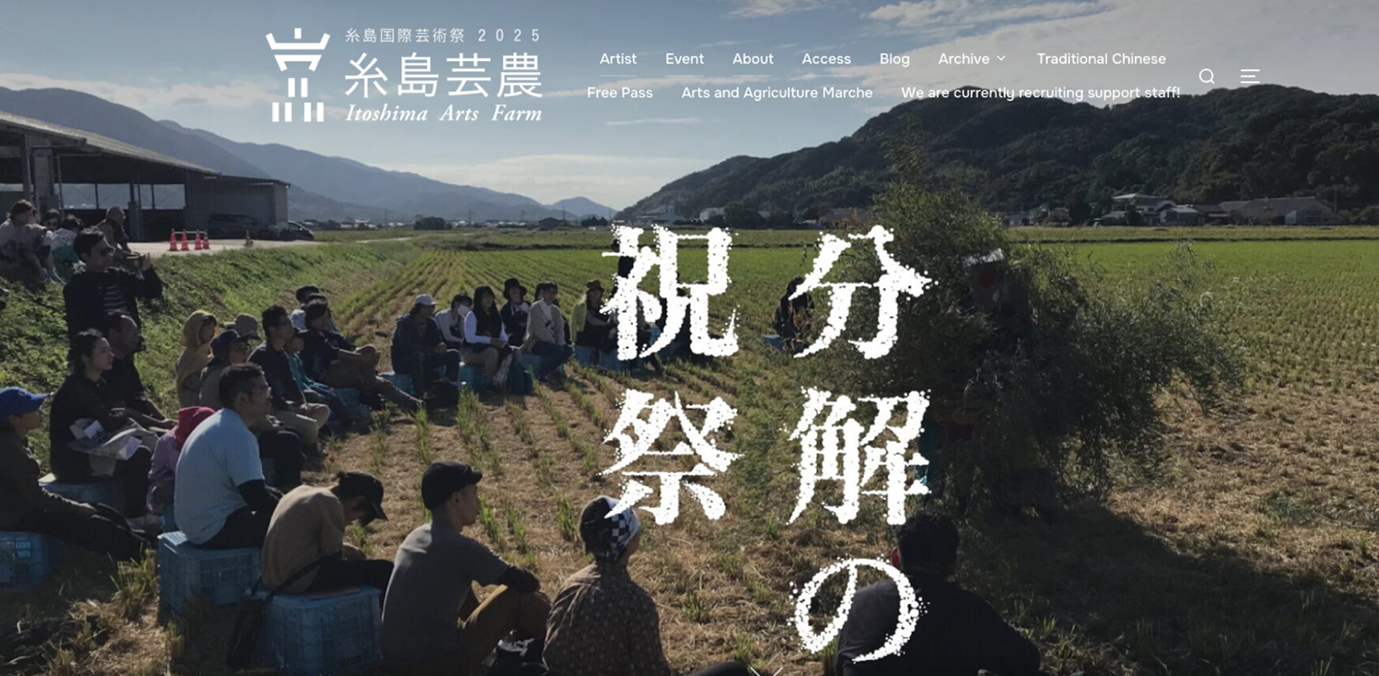
My residency at Studio Kura (https://studiokura.info/en/) coincided with the biennial International Art Farm Festival, Itoshima, which took place over two weekends, 18/19 & 25/26 October 2025, on the theme of
Celebration of Decomposition
International artists from Taiwan, Hong Kong, South Korea and Japanese artists participated, as well as the artist from the international art residence programme.
Many community and interactive events by young and old residents of Itoshima and the International artists took place, such as music performances and traditional singing, traditional and contemporary dance performances, sketching for children and adults, lectures and open studios, exhibitions and of course food preparation and consumption.
Spending one month in Itoshima during the rice harvest made me curious about the deeply rooted cultural and religious traditions surrounding rice, and the connection with the ubiquitous traditional Shinto Inari-Kitsune shrines – Inari jinja – as well as Buddhist temples with fox statues one stumbles across in the countryside and, surprisingly, in corners and streets of the busiest and most commercial areas of the big cities.
1.Reaping the Rice, and the Fox
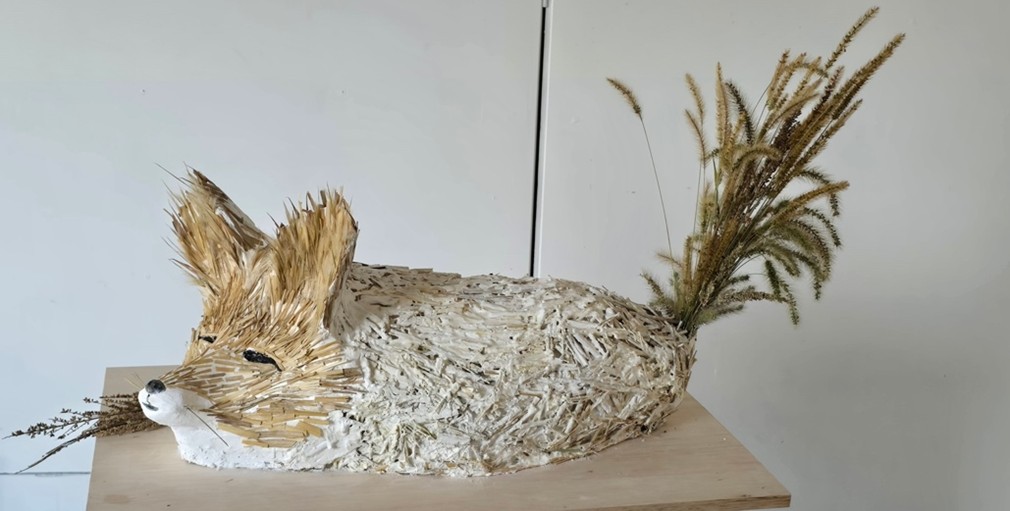
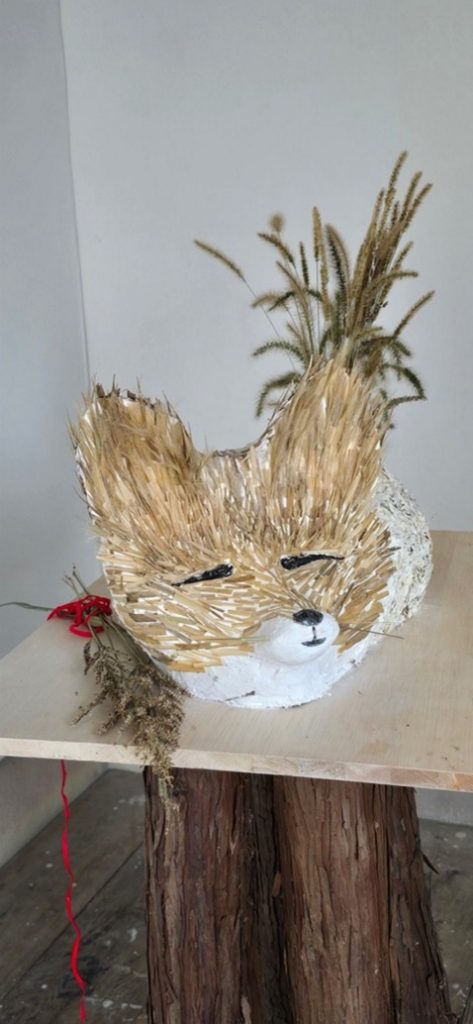
photo credit Dorothea Magonet
Ine ni nary – Reaping the Rice and Kitsune – Foxes
Inari ookami (big god), also called Oinari is the Japanese Kami (spirit, deity) not only for improvement in the performing arts; household wellbeing; business and general wellbeing. The Kami is also attributed to rice, sake, tea, fertility, foxes, agriculture, industry, and the protection of blacksmiths and warriors.
Kitsune statues are guarding the entrance of the Shinto Inari shrines, where they serve as the deity’s messengers. Paired kitsune symbolise a balance of good and evil, protection and prosperity, between wisdom and cleverness. They guard both the spirit and the worshipper. The fox’s ability to transform symbolises adaptability and personal growth. A pair can represent the many transformations a person can undergo in life.
Kitsune – Foxes
Kitsune are renowned for their intelligence, magical ability, and especially their power of metamorphosis, allowing them to transform into humans and other beings.
Kitsune statues are guarding the entrance of the Shinto Inari shrines, where they serve as the deity’s messengers. The guardian foxes at Inari shrines usually come in pairs, each representing male and female. Often, they hold symbolic items like scrolls, keys or jewellery in their mouths or paws. They wear vermillion votive aprons – maekake – red has also become to be identified with Inari because of the red gates – torri.
It isn’t clear what the red aprons or bibs are for, but they may relate to worshippers wishing to take care of their protectors. The vermillion colour of the apron may correlate with red being the colour of fertility and for dispelling evil spirits and disease. Red is a colour used traditionally in many other aspects of traditional Japanese life, for example, it is the colour of the sun in the flag, and also of the signature stamps.
Paired kitsune symbolise a balance of good and evil, protection and prosperity, between wisdom and cleverness. They guard both the spirit and the worshipper.
The fox’s ability to transform symbolises adaptability and personal growt. A pair can represent the many transformations a person can undergo in life.
Fox, the shapeshifter and mischief maker
In ancient Japanese mythology, the fox can also turn into an evil creature. They become shapeshifters and tricksters and seek out the company of humans for a variety of reasons. Almost always that may cause havoc.
When talking to a Japanese pastor about foxes, he told me that in his sermons in Japan the snake that tempted Adam and Eve in the garden of Eden would have to be a fox.
Symbolism of Foxes around the world
Foxes are considered as cunning; tricksters; holders of wisdom; possess adaptability and magic; are ferrymen or guides between worlds; possessors of special knowledge and symbols of transformation due to their nocturnal nature.
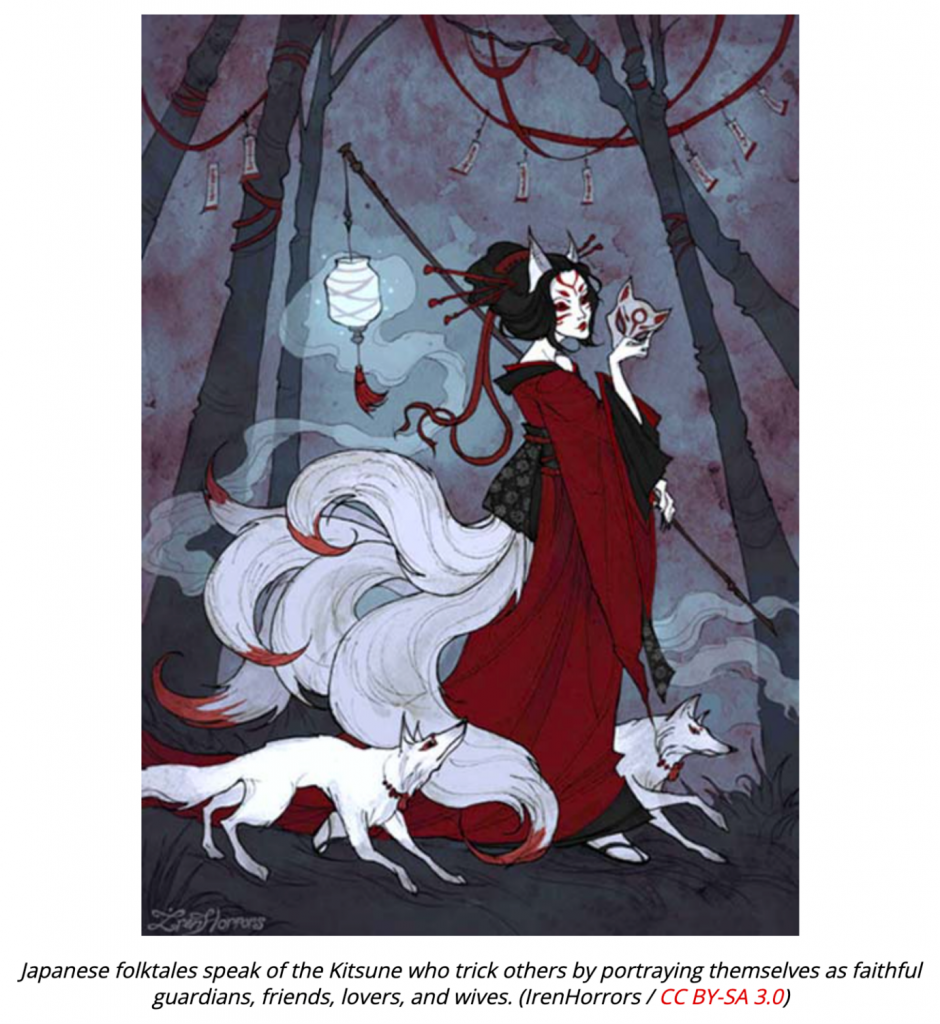
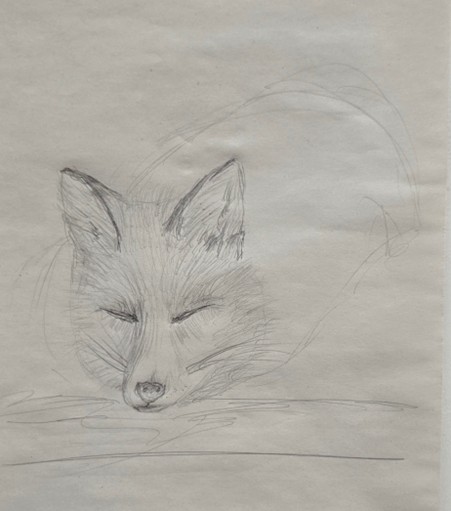
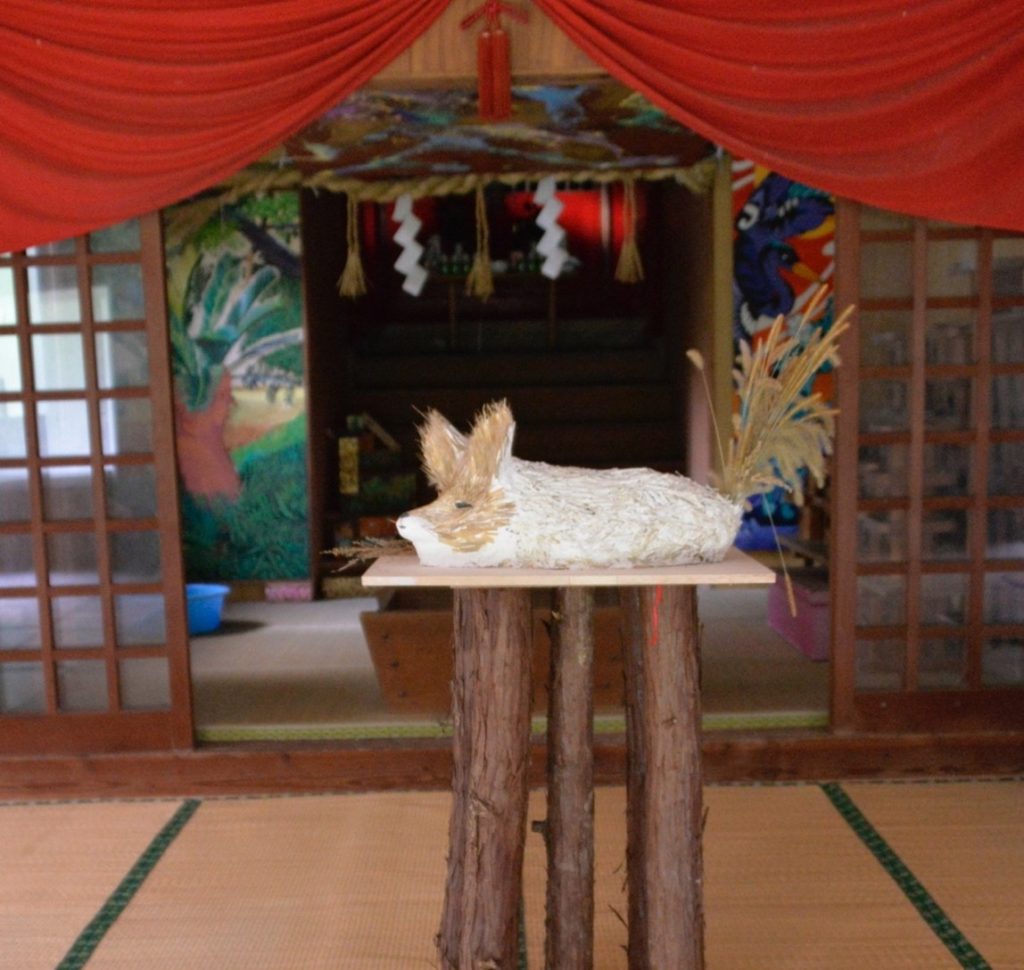
photo credit Dorothea Magonet
The sculpture of Kitsune is now permanently installed in the community worship hall of the Matsusue Gonkuro Inari Shrine, Itoshima.
2. Beauty on the Edge of Nothingness
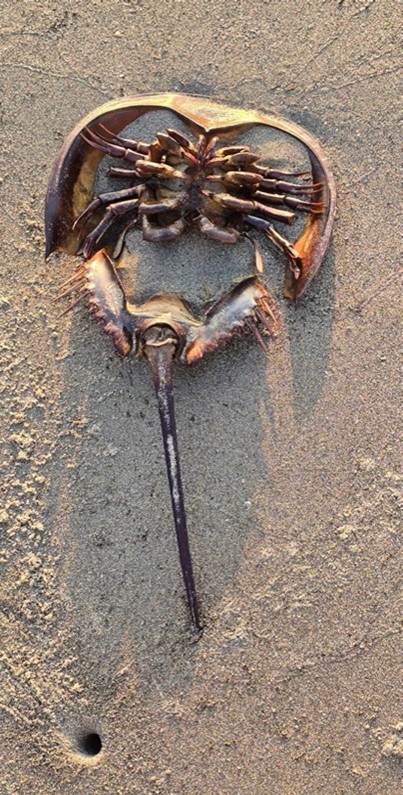
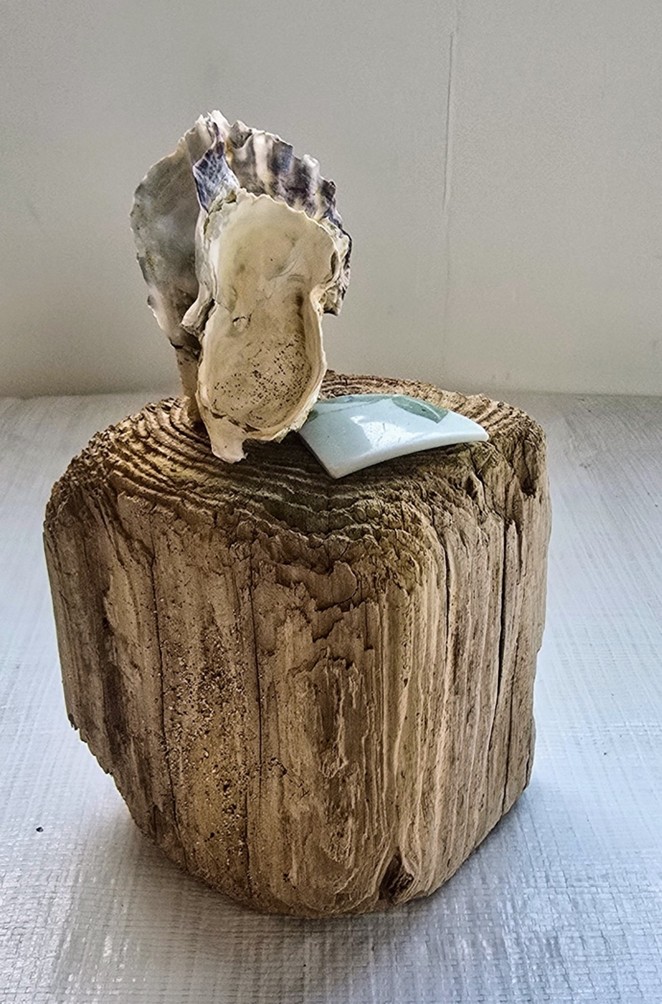
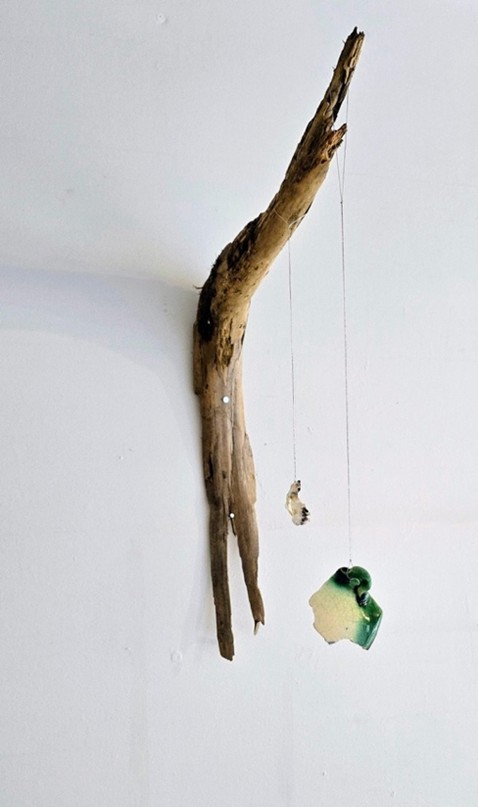
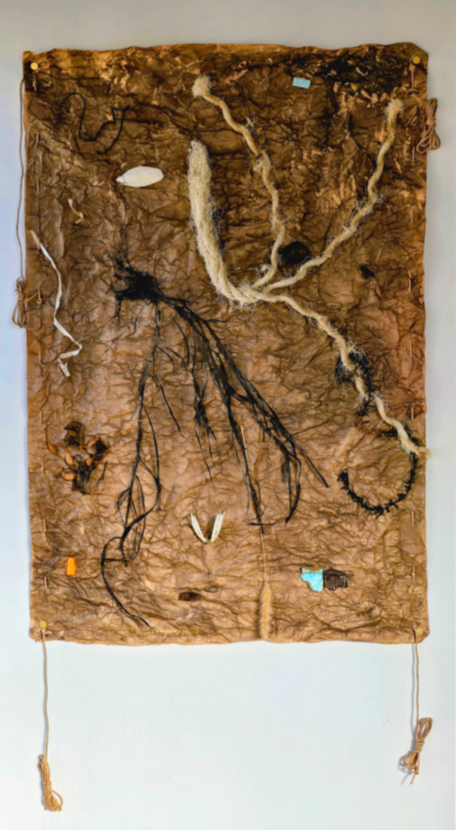
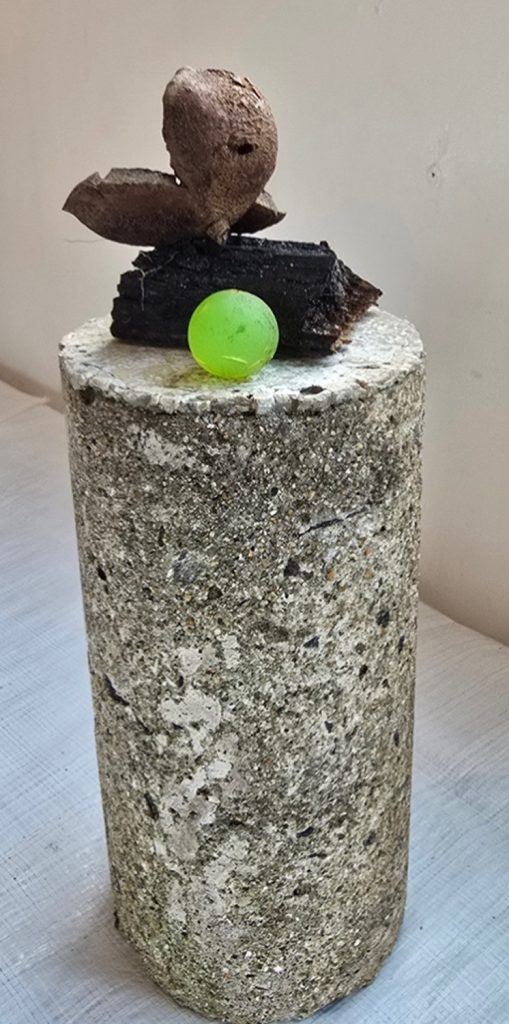
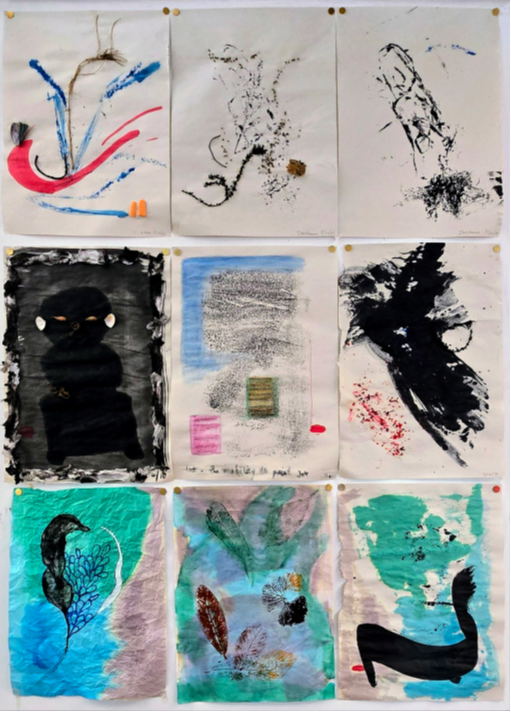
The following collages and sculptural assemblages made from found organic and inorganic materials collected on the edges of fields and the beach refer towards the Japanese philosophical aesthetic of wabi sabi.
Finding beauty in imperfection and impermanence is the foundation of this concept, the development of the patina of decay, aging , and the appreciation of something that is simple, has cracks, is fragmented, is repaired and mundane. It is about noticing and reacting to small details rather than grand gestures and valuing the small things.
The object or work may be transient, be unfished and have an incomplete quality, and is often quiet, minimal, calm and uncluttered.
3. Seaweed
Seaweed is ubiquitous in the daily Japanese cuisine.
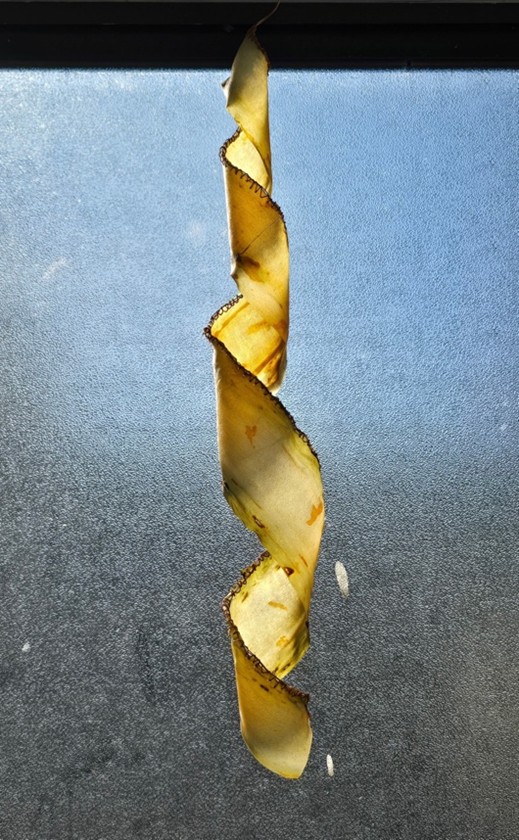
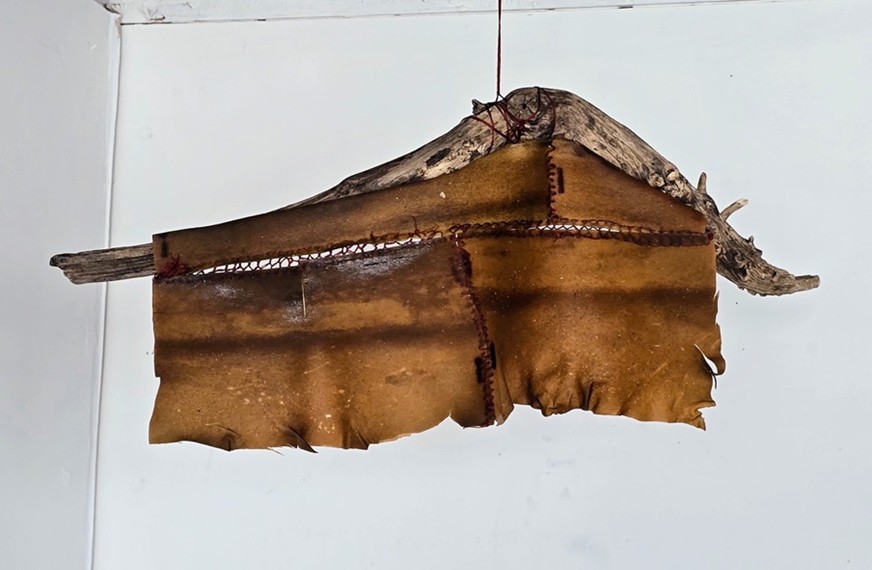
It was my intention to explore working with seaweed and to search for seaweed on the beaches. Alas, the seaweed season was long over. Researching carefully the seaweed sections in the supermarkets, I found large enough sheets of dried Kombu – kelp.
Here are two pieces of kombu with embroidery.
Thank you, Studio Kura, for a fabulous month with you and giving me the opportunity to create and show work in Itoshima and within the community of international artists. It has been a wonderful and enriching experience.
Download a full description of my Japanese residency as a pdf here: